
Between 1900 and 1950, Our Grandmothers Slipped This Quirky Glass Object Into Their Vases — Today It Intrigues Antique Hunters

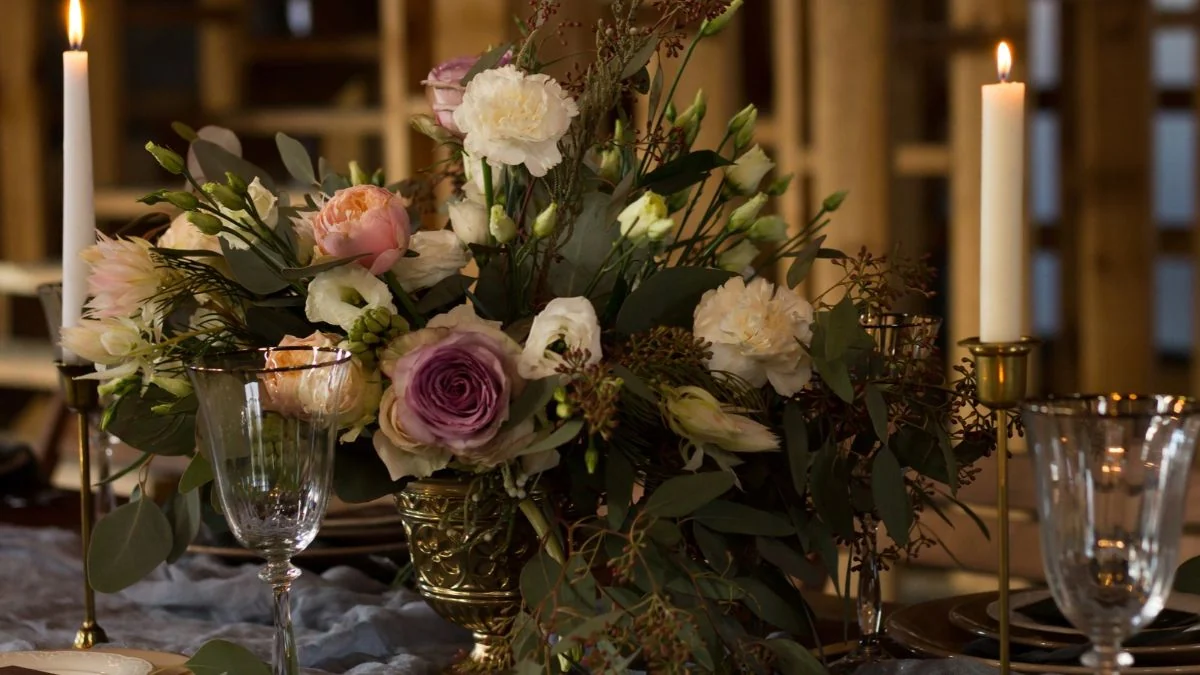
You may have already come across this curious glass object without knowing what it was for. Our grandmothers used to tuck it into their vases, but its usefulness has largely faded into oblivion today. The site FrenchGardenHouse, which focuses on antique objects and their history, is turning its attention to this accessory today recherché par les collectionneurs. And you’ll see, its story is worth the detour!
This glass object had a very specific function in bouquets
Its name may not ring a bell, but this accessory is known by the English label “flower frog”, a term that can be translated as “flower frog”. Behind this quirky nickname lies a small support designed to keep the stems firmly in a vase or a water-filled bowl. The origin of the name remains mysterious, though. FrenchGardenHouse offers a playful explanation: these little supports might have been named that way because they stay still at the bottom of the water, a bit like a frog.
Thanks to this small vintage accessory, the flowers stay neatly in place instead of sprawling in all directions. A particularly practical accessory for creating pretty floral arrangements! To use it, simply place this little piece at the bottom of the vase, then slide the stems into the openings provided for this purpose. Each stem is thus held separately, which allows you to vary the heights and to choose their arrangement precisely.
From glass models to metal versions
These accessories were not limited to a single material. They existed in glass, but also in ceramic and metal. Some models were particularly understated, while others took on more elaborate shapes. The metal supports, for example, could resemble small cages or cushions studded with spikes. The latter allowed you to pierce the stems directly to keep them upright. Their history goes back several centuries. The first supports of this kind are said to have appeared in Japan, as early as the 14th century, to accompany ikebana, the traditional art of floral arrangement. They later gained popularity in other countries.
It was especially in the 1920s and 1930s that they became highly valued in households. At that time, composing beautiful bouquets was part of everyday domestic pleasures, and these accessories made their realization easier. This popularity, however, eventually waned. In the 1950s, the appearance of absorbent floral foam, marketed notably under the name Oasis, gradually changed habits. Easier to manipulate for certain arrangements, it took the place of these old supports among many florists. Their mass production then declined, gradually leaving these little objects to join cupboards and antique collections.
Why do bargain hunters take an interest in this glass object?
If you find one at a flea market or in an old family piece of furniture, don’t mistake it for a mere trinket! These accessories can still be used to compose pretty bouquets, provided they’re in good condition. But collectors also value them for their vintage charm. And some specimens can fetch handsome sums!
At a sale held in November 2024 by Hill Auction Gallery, a glass model signed Louis Comfort Tiffany was indeed auctioned for $850. Of course, the price depends on rarity, maker, and condition. You can also repurpose them in several ways! These little vintage objects can, for example, serve as a card holder, a photo stand, or hold menus or place cards during a meal. Some collectors even display them in a handsome antique bowl to make them a stand-alone decorative piece. A second life for them!
Keep reading
 Decor Styles If You Grew Up in the 90s, This Christmas Tree Will Bring Back Memories: Multicolored Garlands and Mismatched Ornaments Are Making a Comeback
 Decor Styles 1960s White Plates With Green Leaf Pattern Worth Almost $1,000, Say Collectors
 Decor Styles 1845–1950 Item Dazzled Sunday Tables; Collectors Pay High Prices